Source Retro Shockproof Leather Mobile Phone Case With Holder for iPhone, Samsung, and Universal Devices
Explore 30 options for a retro shockproof leather mobile phone case with holder, featuring TPU and PU materials. Buyers can compare customization, certifications like RoHS, and shipping times across suppliers offering OEM services for iPhone and Samsung devices.
Key considerations
Products List


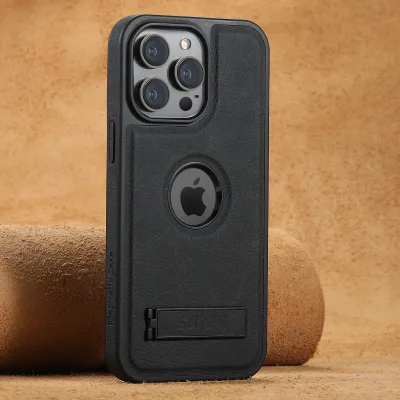
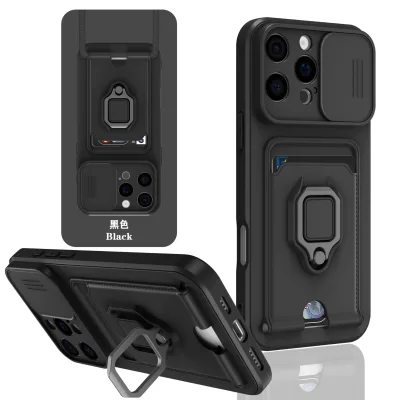
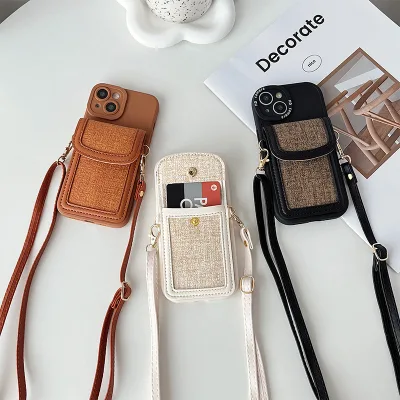
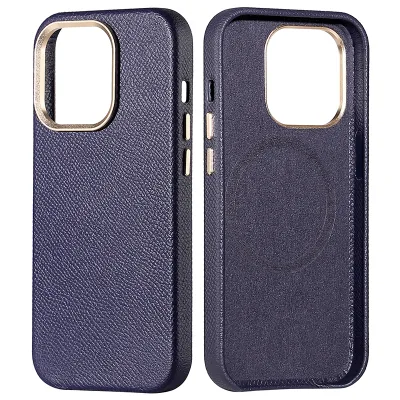
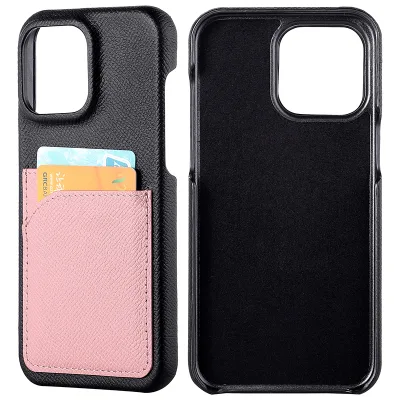
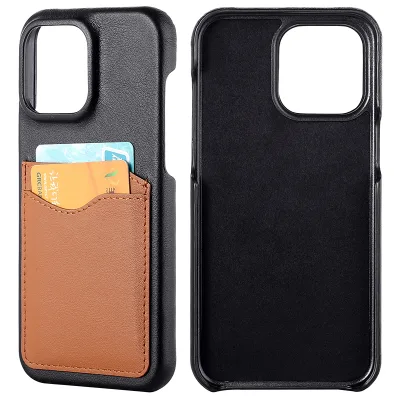
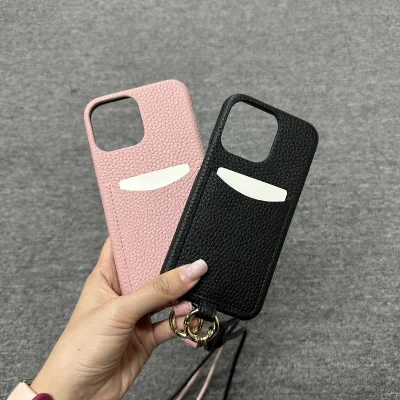


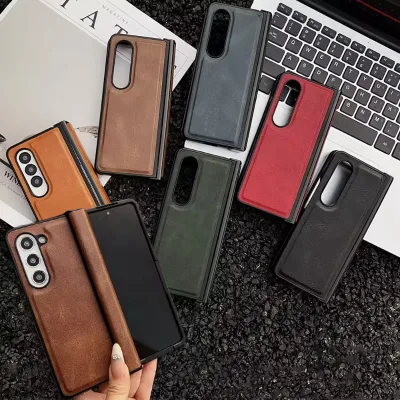
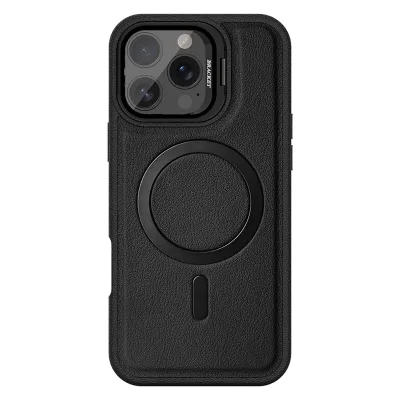
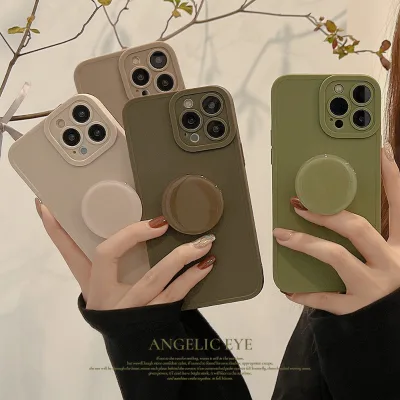
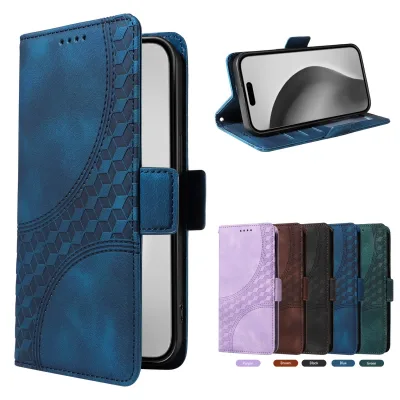
Comprehensive Sourcing Guide
Strategic Sourcing Guide for Retro Shockproof Leather Mobile Phone Cases with Holder
Understanding the Product Category and Material Composition
The search for a "retro shockproof leather mobile phone case with holder" requires a nuanced understanding of the materials and construction methods that define this specific B2B segment. In the current market, the term "leather" often encompasses a spectrum of materials ranging from genuine hides to high-quality synthetic alternatives. Based on observed product attributes in the supply chain, the material composition for these cases frequently includes TPU (Thermoplastic Polyurethane), PU (Polyurethane), and composite blends such as TPU+PC+Metal. The "retro" aesthetic is typically achieved through the use of PU leather or textured TPU that mimics the grain and feel of traditional leather, while the "shockproof" requirement necessitates the inclusion of impact-absorbing layers, often utilizing TPU or PC (Polycarbonate) hard shells.
Buyers must recognize that product attributes vary significantly between listings. Some suppliers offer cases with a hardness rating described as "Medium Soft" or simply "Soft," which directly influences the tactile experience and the level of protection provided. The "holder" feature, a critical component of the core keyword, is not universally present; a significant portion of the market lists cases specifically as "Without Car Holder," meaning the buyer must explicitly filter for models that include a built-in stand, card slot, or magnetic mount capability. The design philosophy often leans toward "Simplicity" or "Minimalist" styles, yet the "retro" designation implies a specific aesthetic that may be customized. The "Customized" attribute is prevalent, allowing for tailored designs, logos, and colors, which is essential for branding strategies.
Technical Specifications and Functional Attributes
When evaluating technical specifications for these mobile accessories, the focus must shift from marketing terms to measurable attributes. The compatibility of the case is a primary technical constraint. The observed data indicates that these cases are designed for specific compatible brands, with "iPhone" and "Samsung" being the dominant targets. Some listings specify "Universal" groups, but true universal fit is rare for shockproof leather cases; precise model matching is usually required to ensure the "holder" mechanism functions correctly without interfering with the phone's ports or buttons.
The functional attributes of the case are equally critical. A robust shockproof case should offer protection against drops, shocks, and daily wear. Observed specifications list functions such as "Shock Absorbent," "Waterproof," "Dirt-resistant," and "Anti-slip." The "Waterproof" claim, in particular, requires careful verification, as it often refers to splash resistance rather than full submersion. The "Decoration" function is also noted, suggesting that aesthetic appeal is a dual purpose alongside protection. The "Hardness" of the case, whether rated as "Soft" or "Medium Soft," dictates the balance between flexibility and rigidity. A case that is too soft may lack the structural integrity to protect the device during a drop, while one that is too hard may be prone to cracking.
Furthermore, the "Size" of the case is typically "Customized" to fit specific phone dimensions. The "Type" is consistently identified as a "Case," but the inclusion of a "Holder" transforms it into a multi-functional accessory. The "Gender" classification is often "Unisex," though some listings specify "Male" or "Female," which may influence color and design choices. The "Color" options observed include standard hues like "Black" and "Yellow," but the "Customized" attribute allows for a vast array of colorways to match brand identities.
Compliance, Certification, and Safety Standards
Navigating the compliance landscape is essential for B2B procurement, especially when dealing with consumer electronics accessories. The supply chain data reveals that "RoHS" (Restriction of Hazardous Substances) is a common certification, indicating that the materials used in the TPU, PU, and metal components comply with restrictions on hazardous substances. Some listings also mention "ISO9001," which signifies that the manufacturer has a certified quality management system, though this is a process certification rather than a product-specific safety standard.
Buyers must verify the "Ethylene Oxide Sterilization" status, as some listings explicitly state "Without Ethylene Oxide Sterilization." This is relevant for products that may come into contact with skin or be marketed as hygiene-conscious, although it is less critical for phone cases than for medical devices. The "Standard" for these products is often listed as "customized" or "Compatible Phone Series," meaning there is no single global standard that applies to all. Instead, buyers should verify that the manufacturer adheres to relevant regional safety standards for electronic accessories.
The "Certification" field also includes "Costomized" options, which suggests that suppliers may offer third-party testing or specific certifications upon request. However, buyers should not assume that every listed product automatically carries these certifications. It is imperative to request valid test reports and certificates of compliance before placing a bulk order. The "prod_standard" being "customized" implies that the manufacturing process can be adapted to meet specific client requirements, but this also places the onus on the buyer to define and validate those standards.
Cost Drivers and Pricing Dynamics
The pricing structure for retro shockproof leather mobile phone cases with holders is influenced by several key factors. The observed price range in the market spans from $0.28 to $7.90 USD, a wide disparity that reflects differences in material quality, customization levels, and order volume. The lower end of the spectrum typically corresponds to basic PU leather cases with minimal features, while the higher end likely includes premium materials, complex "holder" mechanisms, and extensive customization.
The "MOQ" (Minimum Order Quantity) is a significant cost driver. The observed MOQ range is from 2 to 1000 units. A low MOQ of 1 or 2 units is often associated with sample orders or highly customized, small-batch production, which carries a higher per-unit cost. Conversely, larger orders with an MOQ of 500 or 1000 units benefit from economies of scale, reducing the unit price. The "Payment Way" options, such as T/T (Telegraphic Transfer) and Paypal, also influence the financial terms, with T/T often offering better rates for larger transactions.
The "Customization" aspect is a primary variable in cost. Features like "Customized" logos, "Customized" designs, and "Costomized" certifications add to the production complexity and cost. The "prod_packing" method, whether "Each Packed in a Polybag" or "Colored Box/Carton/Customized," also impacts the final price. Premium packaging options, such as colored boxes, are more expensive than simple polybags but are often necessary for retail-ready products. Buyers should analyze the total cost of ownership, including packaging and shipping, rather than focusing solely on the unit price.
Supplier Evaluation and Operational Capabilities
Selecting the right supplier requires a thorough evaluation of their operational capabilities and reliability. The "prod_origin" is consistently listed as "China," which is a major hub for mobile phone accessories. Buyers should verify the supplier's location and logistics capabilities, as the "Shipping Time" can vary. Some suppliers offer a rapid turnaround of "1~3 Days After Payment," which is advantageous for urgent orders, while others may have longer lead times.
The "Shipping Way" is another critical factor, with options including "DHL, UPS, FedEx or as Customer's Requirement." Buyers should assess the supplier's ability to handle international shipping and their experience with customs clearance. The "Sample" support is a vital indicator of a supplier's confidence in their product quality. Most suppliers support samples, allowing buyers to physically inspect the "retro" aesthetic, the "shockproof" performance, and the functionality of the "holder."
The "OEM" (Original Equipment Manufacturer) status is a key differentiator. Listings indicating "OEM: Yes" suggest that the supplier is capable of manufacturing products under the buyer's brand, which is essential for private label strategies. The "Logo" and "Design" customization options further confirm the supplier's flexibility. However, buyers must ensure that the supplier has the capacity to maintain consistency across large production runs, especially when dealing with "Customized" attributes.
Quality Control and Long-Term Procurement Strategy
Implementing a robust quality control (QC) strategy is essential to mitigate risks associated with sourcing mobile phone cases. The "Function" attributes, such as "Waterproof," "Shock Absorbent," and "Anti-slip," must be verified through physical testing. Buyers should request test reports that validate these claims, as marketing terms can sometimes be misleading. The "Hardness" and "Material" consistency are also critical; a batch of "Medium Soft" TPU cases should not vary significantly in flexibility or durability.
Long-term procurement considerations involve building a sustainable relationship with suppliers who can adapt to changing market demands. The "Customized" nature of the product means that designs and specifications may evolve. Buyers should look for suppliers who offer "Customized" standards and can accommodate changes in phone models or design trends. The "Compatible Brand" list, which includes "iPhone" and "Samsung," suggests that the supplier must be agile enough to update their product lines as new devices are released.
The "Group" classification as "Universal" or specific brand compatibility should be clearly defined to avoid confusion. The "prod_model" codes, such as "Cell Mobile Phone Case-038J" or "Leather Phone Case-062B," serve as unique identifiers that help in tracking inventory and ensuring consistency. Buyers should maintain a clear record of these model numbers and their associated specifications to facilitate future reorders.
Comparative Analysis of Product Attributes
To facilitate decision-making, the following table summarizes the key attributes observed in the market for retro shockproof leather mobile phone cases with holders. This comparison highlights the variability in specifications and helps buyers identify the features that align with their specific requirements.
| Attribute Category | Observed Variations | Key Considerations for Buyers |
|---|---|---|
| Material | TPU, PU, TPU+PC+Metal | Verify material durability and "retro" feel; check for metal components in the holder. |
| Hardness | Medium Soft, Soft | Balance between flexibility and impact protection; test drop resistance. |
| Holder Feature | With Holder, Without Car Holder | Explicitly confirm the presence of a holder/stand; verify stability. |
| Certification | RoHS, ISO9001, Costomized | Request valid certificates; verify "RoHS" compliance for hazardous substances. |
| MOQ | 1, 500PCS, up to 1000 | Negotiate MOQ based on budget; low MOQs often mean higher unit costs. |
| Compatibility | iPhone, Samsung, Universal | Ensure precise fit for target phone models; check port accessibility. |
| Customization | Logo, Design, Color, Size | Define branding requirements early; confirm lead times for custom orders. |
| Packing | Polybag, Colored Box, Customized | Factor packaging costs into the total price; assess retail readiness. |
Conclusion and Procurement Recommendations
Sourcing a retro shockproof leather mobile phone case with a holder requires a strategic approach that balances aesthetic appeal, functional performance, and cost efficiency. The market offers a diverse range of options, from basic TPU cases to premium PU leather models with integrated holders. Buyers must carefully evaluate the material composition, ensuring that the "shockproof" claims are backed by verified testing and that the "retro" design meets brand standards.
Compliance with certifications like "RoHS" and "ISO9001" is non-negotiable for maintaining product safety and market access. The variability in "MOQ" and pricing necessitates a clear understanding of the total cost of ownership, including packaging and shipping. By leveraging the "Customized" capabilities of suppliers, buyers can create unique products that stand out in a competitive market.
Ultimately, the success of a procurement strategy for these products depends on rigorous supplier evaluation, clear communication of specifications, and a commitment to quality control. By focusing on the technical attributes and operational capabilities outlined in this guide, buyers can secure a reliable supply chain that delivers high-quality mobile phone cases tailored to their specific needs. The "Customized" nature of the product allows for flexibility, but it also demands a proactive approach to defining standards and verifying compliance.
FAQs
What materials are used for retro shockproof leather cases?
These cases typically use TPU, PU, or composite blends like TPU plus PC and metal. The material choice determines the shockproof capability and the retro leather aesthetic, with some options offering medium soft or soft hardness ratings.
Can I customize the logo and design on these phone cases?
Yes, customization is available for logos, designs, and colors. Many suppliers support OEM services allowing for tailored branding, though specific requirements like customized certifications or packaging must be confirmed before ordering.
Which certifications are common for these mobile phone accessories?
RoHS certification is common, ensuring restricted hazardous substances are not used. Some manufacturers also hold ISO9001 quality management certification, while others may offer customized certification options upon request for bulk orders.
How does the minimum order quantity affect pricing?
MOQs range from 2 to 1000 units, significantly impacting unit costs. Lower quantities often cost more per piece, while larger orders leverage economies of scale to reduce the price within the observed range of 0.28 to 7.9 USD.
Are these cases compatible with iPhone and Samsung devices?
Yes, the cases are designed to be compatible with both iPhone and Samsung brands. Specific models are tailored to fit these series, ensuring the holder mechanism and protection features align with the device dimensions.
What is the typical shipping time after payment?
Shipping times can be as fast as 1 to 3 days after payment for some suppliers. However, lead times vary by manufacturer, and buyers should verify specific schedules based on the chosen shipping method like DHL or FedEx.
Do all these cases include a built-in holder or stand?
No, not all cases include a holder; some are explicitly listed as without a car holder. Buyers must filter for models that specifically feature a stand, card slot, or magnetic mount capability to meet the holder requirement.